

Blog
Cleaning shouldn't make you sick: what they don't tell you about cleaning products

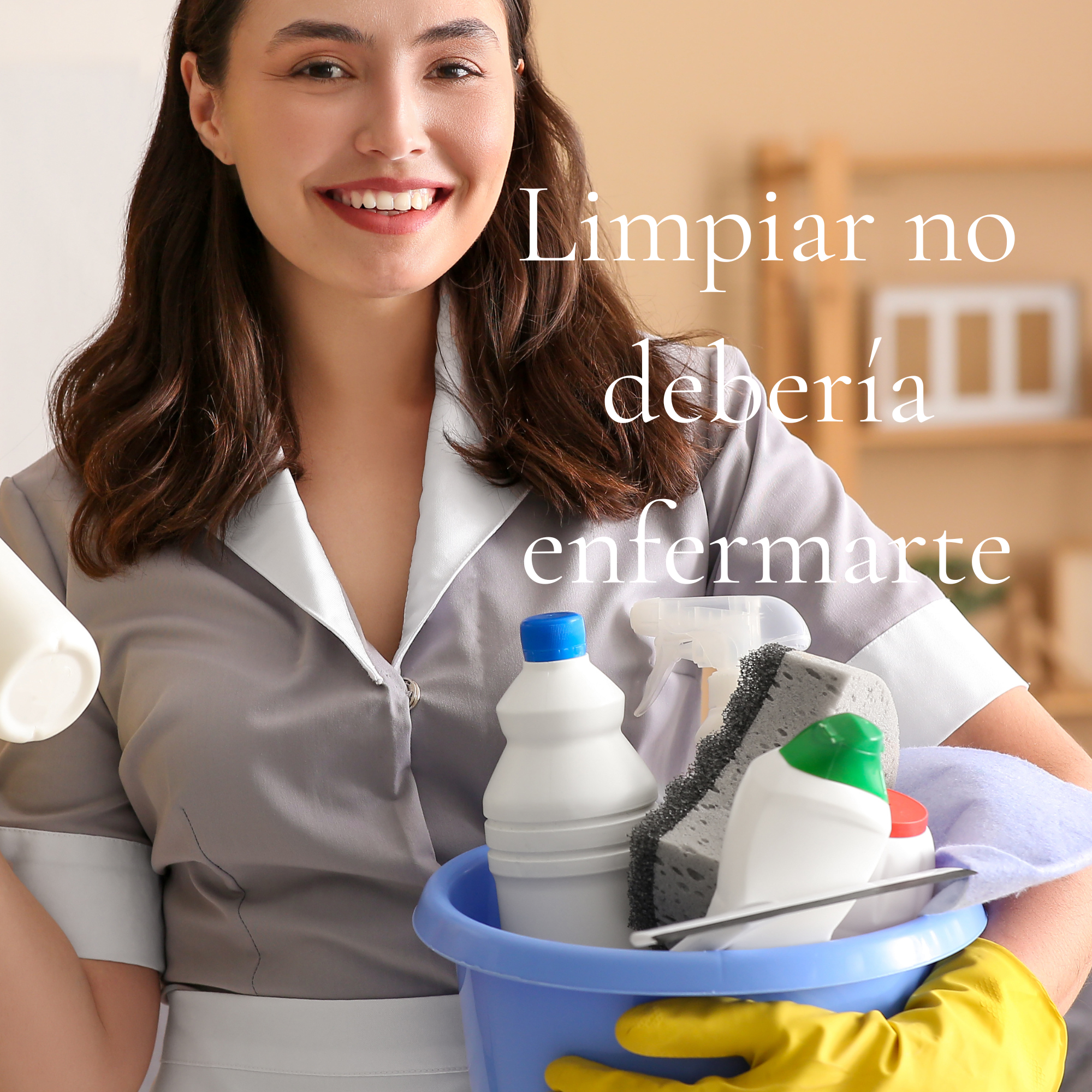
Cleaning the bathroom, kitchen, or floor... is part of daily life.
We do it almost automatically.
Without overthinking it.
But there's something that almost nobody considers:
👉 What are we breathing while cleaning?
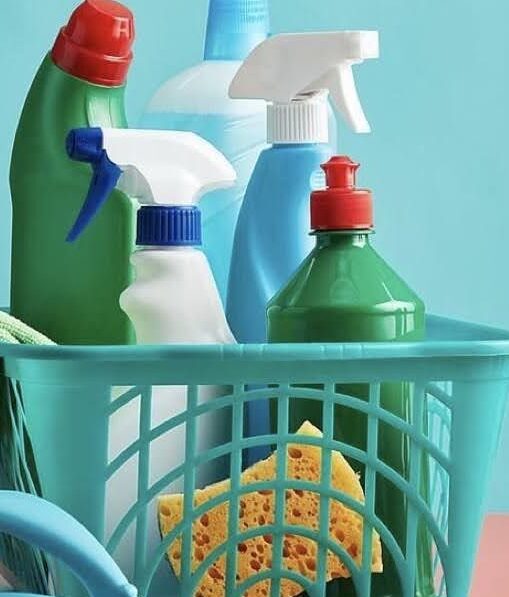
The smell of “clean” doesn't always mean something is actually clean.
Many times it means there are chemicals in the air... even if we don't see them.
And our body does notice them.
An invisible job that sustains everything
(but it has a cost)
This month, there's a lot of talk about caregiving tasks. And it's no coincidence.
According to the OECD's Social Institutions and Gender Index (SIGI 2023), women in Spain dedicate twice as many daily hours as men to unpaid household chores and caregiving: approximately five hours compared to two.
But this article isn't just about gender.
It's about something broader:
of the value—and impact—of cleaning and care work.
Because there are thousands of people who clean every day:
- In their homes
- In hotels
- In restaurants
- As industry professionals
And many of them are exposed to something that can't be seen... but can be breathed.
The real problem: what we don't see when cleaning
When we use conventional cleaning products, we release what is known as volatile chemical compounds.
These compounds enter the air and are inhaled into the body.
Especially in enclosed spaces like:
- Bathrooms
- Kitchens
- Rooms with poor ventilation
That is to say: precisely where we clean the most.
And here's the key point:
It's not just a one-off exhibition.
It's constant exposure, repeated for years.
Who is most exposed
(and why it matters)
Although it's not often visible, there are people who are much more exposed than others:
- Hotel and accommodation cleaning staff
- Domestic workers
- Restaurant workers
- Families with intensive cleaning routines
- People with children or pets
And also anyone who cleans daily without protection.
Dr. Carme Valls-Llobet warns that continuous exposure to toxic substances in the home environment can be linked to significant health problems, including an increase in certain diseases over time.
When cleaning starts to take its toll
You might not directly associate it, but many signs are more common than they seem:
- Sore throat (I experienced it firsthand: every time I cleaned, I felt discomfort that over time began to affect my health)
- Headache
- Feeling of fatigue after cleaning
- Skin reactions
- Respiratory discomfort
And often it's normalized.
“It's normal when cleaning.”
“It's because the product is strong.”
But it shouldn't be like this.
A problem that has been normalized for years
For decades, the “Strong color”with effective cleaning.
As if the more intense it were... the better it worked.
But today we know that it is not so.
Cleaning shouldn't mean discomfort.
Not at all, it won't affect your health.
It's not about stopping cleaning, but about how we do it
Here's the important change.
It's not about cleaning less.
It is about clean better.
Today there are alternatives that:
- They do not release aggressive vapors
- They reduce exposure to unnecessary chemicals.
- They are equally effective for daily cleaning
And that, furthermore, they take great care of both the cleaner and those who live in that space.
Taking care of the home is also taking care of people
Behind every clean house, every hotel room, every well-maintained space… there is someone who made it possible.
And that person also matters.
Your health matters.
Your health matters.
Because in the end, cleaning should be something that improves your well-being, not compromises it.
A reflection
If cleaning has ever bothered you...
if you've had to open windows, go out for fresh air, or avoid certain products...
It's not you.
It's the way we've understood cleaning for years.
And luckily, that's starting to change.
We are increasingly aware of what we breathe, what we touch... and how it affects us in our daily lives.
And that awareness has brought something important:
Shopping bagsNew ways to clean.
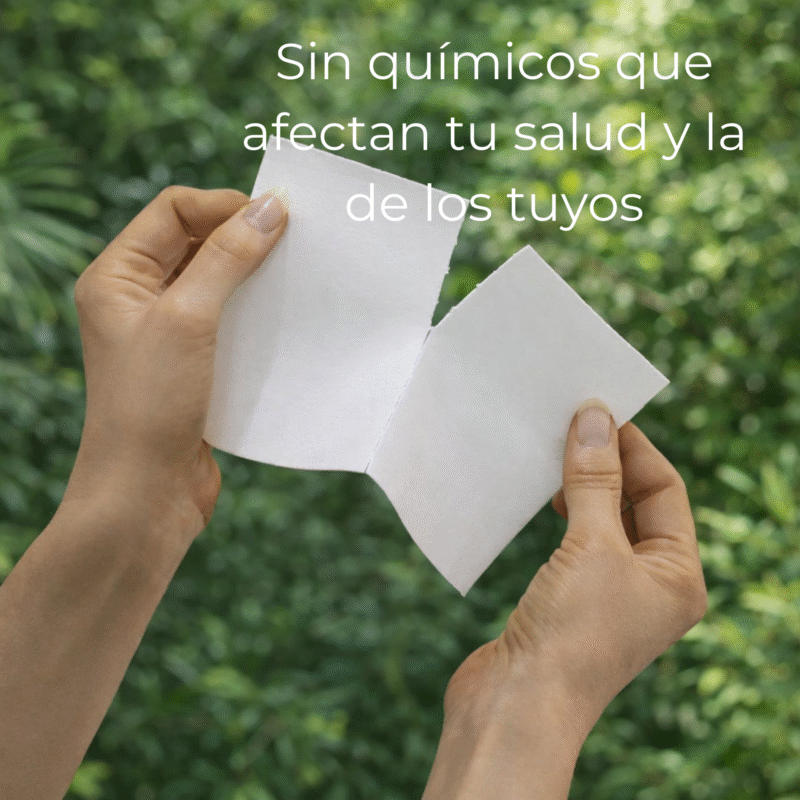
Today it's no longer necessary to choose between effectiveness and health.
There are alternatives designed for:
- Reduce exposure to harsh chemicals
- Avoid unnecessary vapors in the air
- Take care of your skin and airways
- Maintain the same level of cleanliness in the home
Among these options are innovative formats that eliminate excess chemicals and waste, simplifying daily cleaning without compromising results.
It's not about complicating your routine.
It's about making it safer.